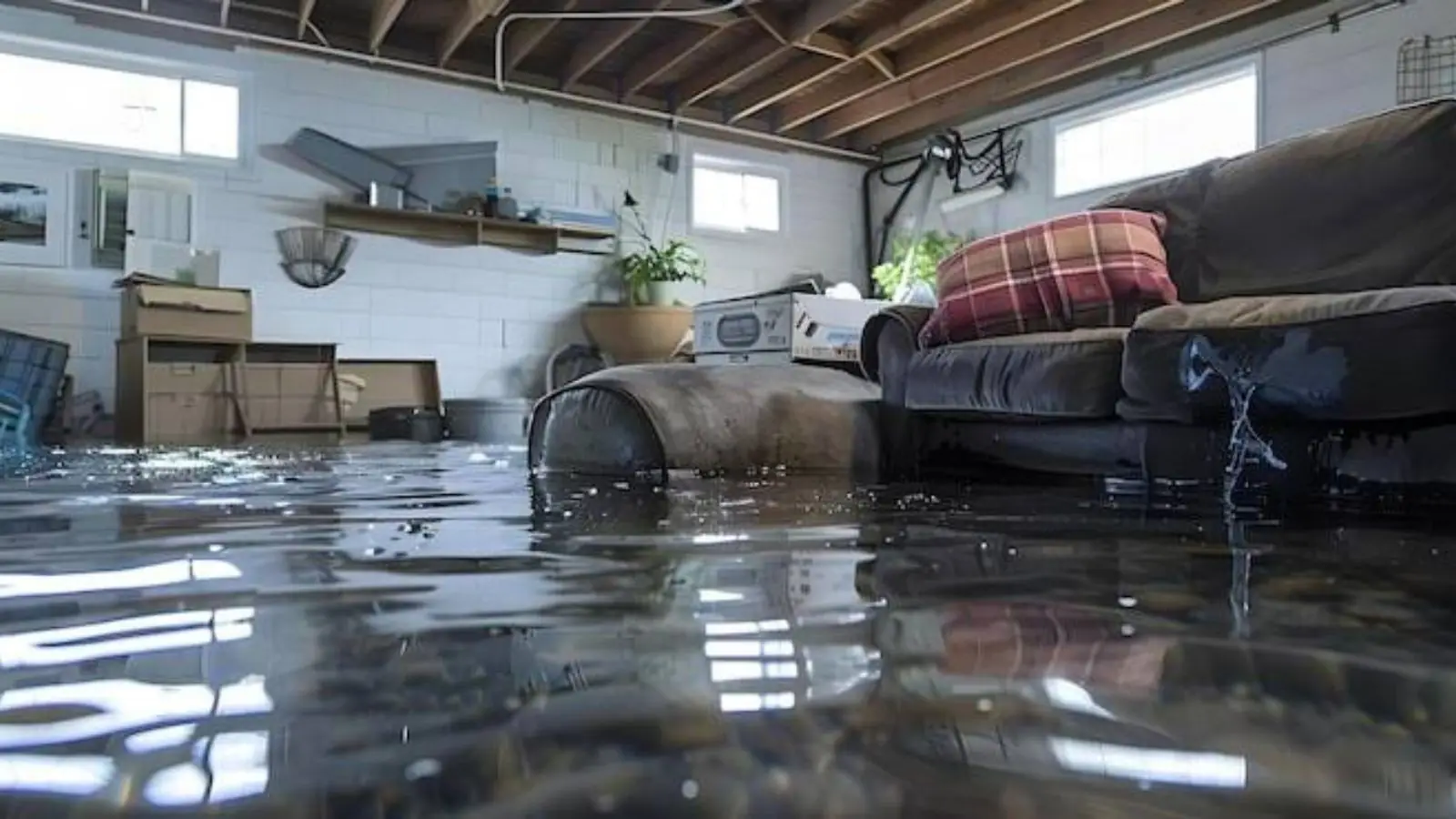
Flood water is an emergency from the first minute
Flood water carries soil, bacteria and whatever else it crossed on the way in, so it is handled as contaminated until proven otherwise. Our dispatch line is open 24/7. Call as soon as water is in the house and we will arrange a crew, aiming for the same day when one is available.
Until they arrive, keep people and pets out of the water, stay away from the electrical panel if the floor is wet, and do not run a household vacuum on it. Lift anything valuable that you can reach safely and photograph the waterline on the walls before anything is moved.
If the water is in contact with outlets or the panel, call the utility or 911 first. A restoration crew cannot go into a room with live electrical hazards.
How flooding happens in Framingham
The Sudbury River runs through the city, and Sucker Brook feeds into the neighborhoods around Walnut Street. The city's hazard planning names the river and the brook as sources of flooding, and a federal grant paid for a study of flooding along Walnut Street. A later state grant of $269,030 funded design and permitting to increase the capacity of Sucker Brook, with construction funding still to be sought.
The Sudbury River drains a large basin that includes Ashland, Southborough, Wayland and Sudbury. After the heavy March rains of 2010, the U.S. Geological Survey recorded record or near-record peaks at 13 of 37 streamgages in central and eastern Massachusetts. Saturated ground is the common thread, because it leaves nowhere for rain to go but into basements.
To see where your own home sits, search your address on the FEMA flood map service center. The 100-year floodplain is mapped from FEMA data, and the city's 2022 hazard plan update lists riverine flooding, dam failures and ice jams as flood hazards.
Flood water compared with a clean leak
The cause changes the plan, the cost and the insurance picture. This table sets out the main differences.
| Clean leak (Category 1) | Flood or sewage (Category 3) | |
|---|---|---|
| Typical source | Supply line, appliance, water heater | River, brook, storm runoff, sewer backup |
| Materials | Often dried in place if caught quickly | Porous materials usually removed |
| Crew protection | Standard | Protective gear, containment where needed |
| Typical cost drivers | Drying days and equipment | Removal, disposal, sanitizing and drying |
| Insurance, in general terms | Often covered if sudden and accidental | Usually excluded from standard homeowners policies |
The Massachusetts Division of Insurance states that standard homeowners policies do not cover flood damage. Flood insurance through the National Flood Insurance Program or a private insurer is separate.
Basement flooding cleanup
A flooded basement is the most common flood call. The water has to come out, then the walls, slab and anything stored below the waterline have to be assessed. Finished basements add drywall, insulation and carpet to the list, and every one of them wicks water upward.
Crews pump or extract the water, remove contaminated carpet and pad, cut drywall back above the wicking line and set drying equipment. Concrete slabs and block walls dry slowly, so the monitoring period is longer than in a framed room.
Water that came up from a drain or in from outside is not the same as water from a pipe. Mention where it came from on the call so the crew arrives with the right gear. For what to do in the first two days, the emergency water removal team and this crew work together.
Raw sewage from a basement drain: what to do first
If raw sewage is coming up through a floor drain, toilet or shower, treat it as a safety problem before a cleanup problem. Do not use the plumbing, stay out of the water, keep children and pets away, and do not try to clean it with household products.
Call the city Department of Public Works if the blockage may be in the main line, since a restoration crew cannot fix a municipal backup. Then call us to handle what the sewage touched. Porous materials such as carpet, pad and drywall that sewage reached are removed, hard surfaces are cleaned and sanitized, and the area is dried.
Insurance for sewer and drain backup is usually tied to a separate endorsement or a flood policy. The Division of Insurance advises checking your declarations page for a water backup or sump pump failure endorsement.
What to document before cleanup starts
Photos taken before anything is moved are the most useful thing you can hand an adjuster.
Document the loss
- Photograph the outside of the house and each affected room before moving anything.
- Note the height of the waterline on walls and furniture and photograph it with a tape measure.
- Separate damaged items from undamaged ones and keep a list.
- Keep receipts for emergency costs such as pumping and equipment.
- Call your insurer or agent early and ask what they need from you.
Water coming in from outside?
Call the 24/7 line and describe where it is coming from. The dispatcher will ask a few safety questions first.
From flood cleanup to rebuild
After the water is out and the structure is dry, water damage repair rebuilds what was removed. If there are signs of growth in the weeks after, mold remediation is the next conversation. The crews also work in Southborough, upstream on the river's watershed, and respond from the same line.
Frequently asked questions
Yes. The dispatch line runs 24 hours a day. Flood calls get safety questions first, then a crew is arranged. Same-day response is the aim when crews are available, and the dispatcher will tell you honestly if it will take longer.
Usually not. The Massachusetts Division of Insurance states that standard homeowners policies do not cover flood. Flood insurance is separate. Check your policy and ask your insurer or agent what applies to your loss.
Search your address on the FEMA Flood Map Service Center. The city also maps the 100-year floodplain from FEMA data. A lender or insurance agent can confirm what applies to your property.
Carpet that sat in flood or sewage water is usually removed because it cannot be made safe. Clean-water carpet is sometimes salvageable if the crew acts fast.
They check for electrical and structural hazards, then remove water and contaminated materials. After that they set drying equipment and monitor moisture until it reaches a dry standard.
Stay out, keep others away and call the dispatch line. Call the city Department of Public Works if the main line may be blocked. Crews remove porous materials the sewage touched and sanitize the area.
Water still spreading? Call (508) 446-9244 and a dispatcher answers around the clock.