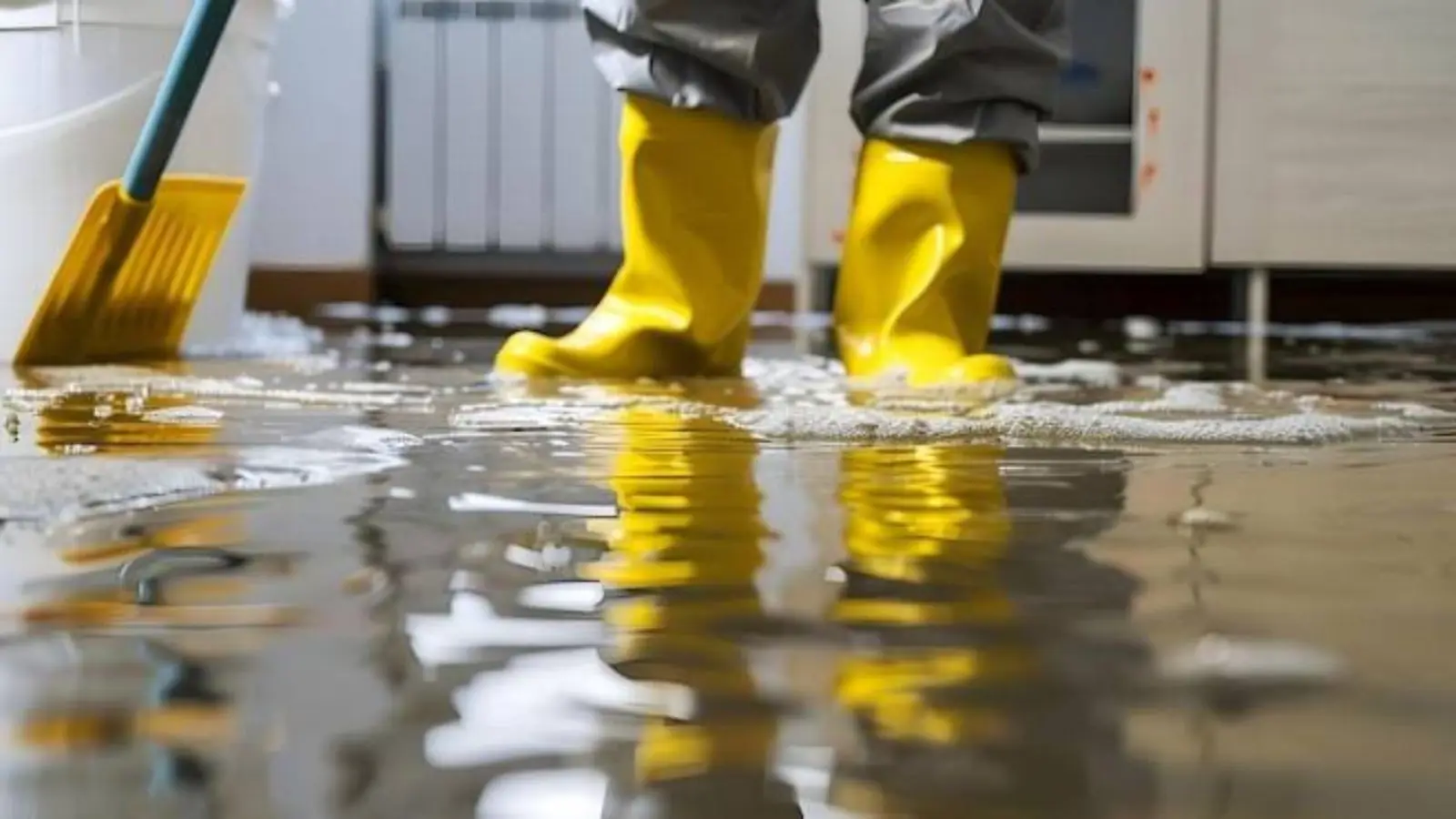
What to do in the first ten minutes
If sewage is coming up a floor drain, toilet or tub in your basement, stop using water in the house. Do not flush, run the washer or run the dishwasher, because everything you send down adds to the backup. Keep people and pets out of the basement.
Before you do anything else, check for electrical risk. If water is near outlets, a panel or an extension cord, do not step into it. If the panel is in the wet area, call the utility or 911 and let them handle power. A restoration crew cannot start in a space with an active electrical hazard.
Then make the calls in this order: utility or 911 if there is any electrical or gas concern, your 24/7 restoration line, and your insurer. Take photographs from the stairs before anything is touched.
Why sewage is handled differently from other water
The restoration standard, ANSI/IICRC S500, sorts water into three categories. Sewage is Category 3, often called black water, because it carries bacteria and other contaminants. Water from a flooded creek or river is treated the same way.
This changes the work. Crews wear protective gear, they contain the area so contamination does not spread to clean rooms, and porous materials such as carpet, pad, drywall and insulation that touched the water are usually removed and discarded. Hard surfaces are cleaned and sanitized and then dried.
That is why a sewage cleanup is not a do-it-yourself weekend. Mops and a wet vacuum spread contamination, and carpet that looks salvageable often cannot be made safe.
Do and do not, until a crew arrives
A few small choices in the first hour change how much has to be removed.
Sewage backup: safe first steps
- Do stay out of standing water and wear waterproof boots and gloves if you must enter a dry stairway.
- Do open windows in the basement only if it is dry and safe to reach, to improve airflow.
- Do photograph the water line, the drain or fixture it came from and every damaged item.
- Do not use a household wet vacuum or a shop vacuum on sewage water.
- Do not mix cleaning chemicals to treat the area, because some combinations give off dangerous fumes.
- Do not walk through the water and then through clean rooms. Take off shoes at the stairs.
- Do not keep running water in the house while the drain is backed up.
How a professional sewage cleanup unfolds
The sequence looks like other water jobs, with more protection and more removal built in.
Contain and protect
The crew sets up barriers and wears protective equipment so the contamination stays in the affected area.
Extract the water
Pumps and extraction units remove liquid and solids. The crew notes how high the water reached and which materials it touched.
Remove porous materials
Carpet, pad, drywall below the water line and soaked insulation are removed in sealed bags. Photographs record this for your insurance file.
Clean and sanitize
Remaining hard surfaces are cleaned, treated with an antimicrobial product and rinsed according to the plan for that surface.
Dry and verify
Air movers and dehumidifiers dry the structure, and moisture readings confirm that framing and slab are ready for rebuilding.
Which materials usually stay and which usually go
The crew decides on site, but this table shows the general pattern after Category 3 water.
| Material | Usual result | Why |
|---|---|---|
| Carpet and pad | Removed | Fibers and pad absorb contaminated water and cannot be fully sanitized. |
| Drywall below the water line | Removed | Paper and gypsum are porous and hold contaminants. |
| Fiberglass insulation | Removed | It soaks up water and cannot be cleaned in place. |
| Concrete slab and block walls | Cleaned and sanitized | Dense, but they must be dried and treated thoroughly. |
| Solid wood framing | Often cleaned and dried | Surface treatment is possible when the wood is dried fully. |
| Washer, dryer, water heater | Case by case | Depends on what the water reached and what the manufacturer allows. |
Who to call about the cause
A backup has two possible locations: your private line from the house to the street, or the city main. If your neighbors have the same problem, or the backup happens when heavy rain hits, the city's sewer system may be involved. Call the Framingham Department of Public Works and ask whether a problem has been reported on your street.
If only your house is backing up, a licensed plumber needs to find the blockage or break. Cleanup crews do not clear sewer lines, so expect two separate trades. Do not let cleanup start until the cause is fixed, or the room fills again.
Mitigation of the building comes after. Our flood damage restoration team handles Category 3 water, and the follow-on drying and sanitizing falls under water damage cleanup.
Framingham insurance notes for sewer and drain backup
The Massachusetts Division of Insurance says standard homeowners policies do not cover flood. It adds that flood policies, through the National Flood Insurance Program or private insurers, cover water that backs up through sewers or drains only when a flood is the cause.
Backups that happen without a flood are a different question. The Division suggests checking your declarations page for a sump pump failure or water backup endorsement, which may provide some coverage. Many homeowners find out they never added one only after the loss.
That is why the call to your insurer comes early. Ask what applies, what documentation they want and whether they need to see the damage before removal. Photograph the water height and damaged items, separate damaged from undamaged belongings and protect the property from further damage where it is reasonably possible.
Sewage in the basement right now?
Stay out of the water, handle any electrical risk first, then call the 24/7 line.
After the cleanup: preventing a repeat
Ask the plumber whether a backwater valve makes sense for your home. Keep wipes, grease and paper towels out of drains. If heavy rain triggered the backup, find out whether your street has had earlier reports, and check whether a sump or ejector pump needs servicing.
Homes in Natick and Southborough face their own sewer layouts, and some properties in the region rely on private systems instead of a municipal sewer. Ask your town which applies to your street.
Frequently asked questions
Small events on hard surfaces are sometimes handled by homeowners with proper protection, but sewage is classified as Category 3 for good reason. Porous materials usually have to be removed, and contamination spreads easily with household tools. Most homeowners are better served by a trained crew.
It depends on the policy. Standard homeowners coverage generally does not include flood, and sewer or drain backup is often handled through a separate endorsement. Check your declarations page for a water backup endorsement and call your insurer before work begins.
Yes. The dispatch line is open around the clock. Describe where the water is and whether there is any electrical hazard, and the dispatcher will tell you what to do while a crew is arranged. Same-day response is the goal when crews are available.
Removal and sanitizing often take one to two days on site, followed by drying that may take several more. The timeline depends on how much water entered, which materials it touched and whether the source has been repaired.
Contact the Framingham Department of Public Works and report it. If the city main is involved, the fix belongs to them. You still need a cleanup crew for your basement, because the city does not remove contaminated materials from private homes.
Water still spreading? Call (508) 446-9244 and a dispatcher answers around the clock.