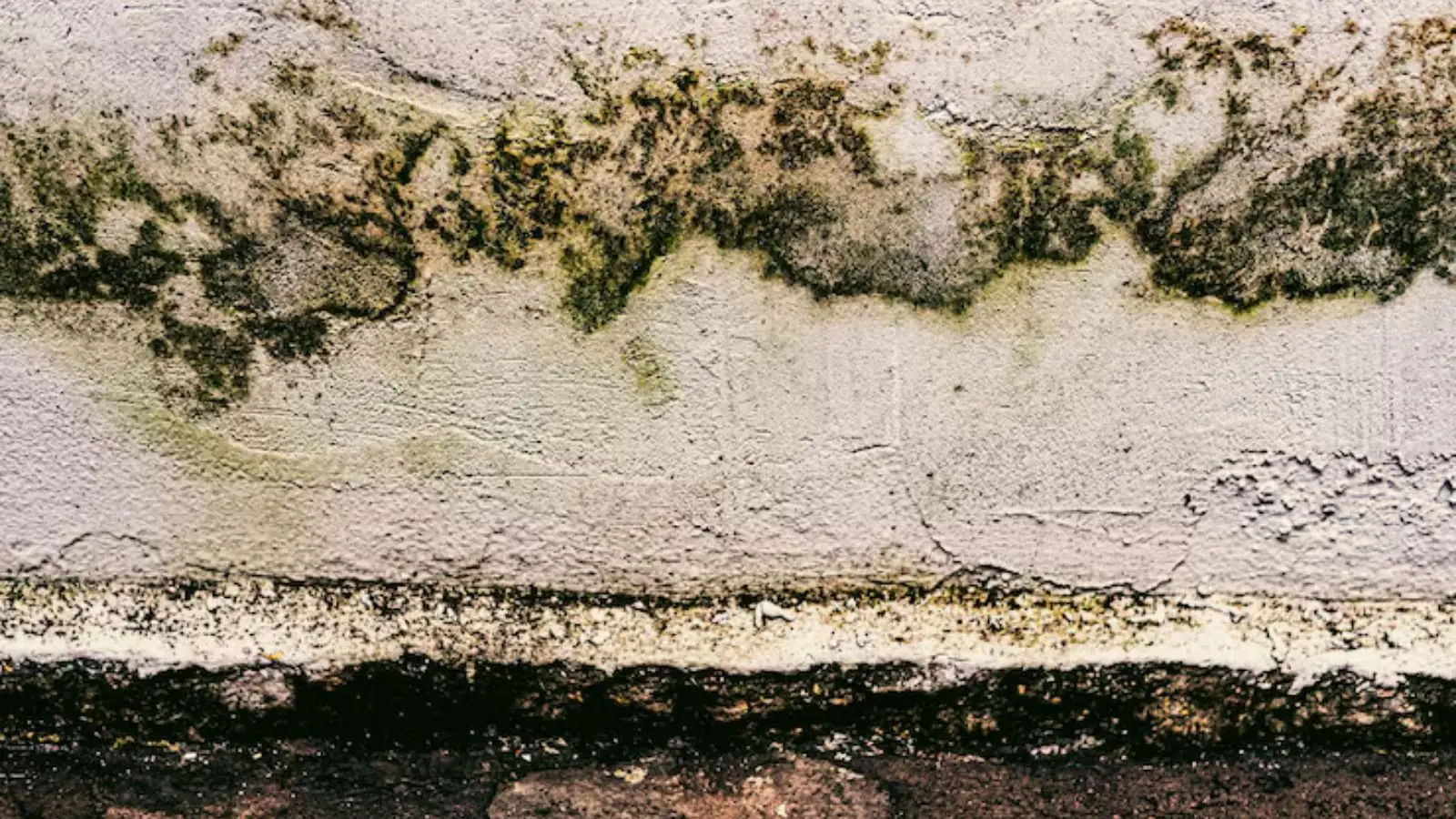
The short answer: a day or two, then it keeps going
Mold needs three things: moisture, a food source and time. After a leak or flood, the first two are already in the house. Materials that stay wet for more than a day or two are at risk, and the risk grows with every day they stay damp.
That timeline is not a countdown to a disaster. A wet kitchen floor wiped up within hours is a different problem from a basement carpet that sat in water over a long weekend. What decides the outcome is how wet the material got, what it is made of and how fast it dries.
If you are reading this with water still in the house, skip ahead to the checklist below and then call the dispatch line. Drying work started on day one is far cheaper than cleanup started on day five.
A rough timeline for a wet building
Every loss is different, so treat these stages as a map and not a promise. The pattern below is how drying and growth usually line up when nothing is done.
| Stage | What is going on | What helps |
|---|---|---|
| First hours | Water soaks into carpet, pad, drywall paper and the bottom of framing. Surfaces still look recoverable. | Stop the source, lift contents, start extraction. |
| Day one to two | Materials stay wet. Humidity in the room climbs. Mold spores that were already in the air find damp surfaces. | Air movers and dehumidifiers running, wet pad removed. |
| Day three to five | Growth can become visible on drywall paper, baseboards, the underside of carpet and stored boxes. A musty smell often shows up before any stain. | Moisture mapping, opening wall cavities, containment if growth is present. |
| After a week | Growth can spread across more surfaces and into porous materials that are harder to clean. | Mold remediation to the S520 standard, plus fixing the moisture source. |
These stages describe how moisture and time interact. They are not a diagnosis of any particular home.
What speeds mold up and what slows it down
Warm, still, humid air is the biggest accelerator. A closed basement in a damp week is the standard example. Porous materials such as drywall paper, ceiling tile, cardboard and untreated wood hold water longer than glass, metal or tile, and they give growth more to feed on.
On the other side, anything that moves moisture out of the structure slows the clock. That means running air movers and LGR dehumidifiers, opening wet wall cavities and removing materials that cannot be dried. Running a household fan across a wet floor helps a little, but it does not pull water out of a wall.
Clean water from a supply line gives you the most time. Flood or sewage water adds contaminants and usually means porous materials are removed, so the timeline for those losses is shorter.
What to do in the first 24 hours
These steps are safe for most homeowners and they all work by taking moisture out of the picture.
First 24 hours after water damage
- Stop the source of the water and shut off the main valve if a pipe is involved.
- Photograph the damage before moving anything, including the water line on walls and furniture.
- Lift rugs, boxes and cardboard off wet floors and move them to a dry room.
- Open interior doors and cabinet doors so air can move through the wet area.
- Run a dehumidifier if you have one, and keep windows closed on damp or humid days.
- Do not turn up the heat to force drying. Warm, wet air can speed growth.
- Call the 24/7 dispatch line and describe what the water reached and how long it has been wet.
If you already see or smell growth, tell the dispatcher. Crews plan containment differently when mold is present, and disturbing it with a vacuum or a dry scrub can spread it.
Why drying comes before cleaning
Cleaning a surface does not fix a wet wall. If the cavity behind it stays damp, growth returns to the same spot, so the first job is always water mitigation with measured drying. Technicians use moisture meters and thermal imaging to find water you cannot see, then set air movers and dehumidifiers and log readings until materials reach a dry standard.
Only after that does it make sense to talk about removal and cleanup. Where growth has already started, remediation follows the ANSI/IICRC S520 standard, which covers containment, removal of affected material and verification. You can ask any company whether its crews work to S520 and how they confirm the work is done.
Health questions about mold belong with a physician. A restoration crew handles the building and the moisture, not medical advice.
Framingham notes: river rises, ice jams and why timing matters here
Framingham sits on the Sudbury River, and river height is easy to check. The U.S. Geological Survey operates a gauge on the Sudbury River at Saxonville, and the National Weather Service lists a forecast point for the same location. If the river is rising and your basement is low, start drying plans early instead of waiting to see water.
The city's 2022 hazard mitigation planning update lists riverine flooding, dam failures and ice jams among the hazards it is studying. In practical terms that means water can reach a basement from more than one direction, and a basement that took on water after a river rise or a thaw should be treated as wet from day one.
Check your address on the FEMA flood map and read your policy before the next storm. If the river brought the water, standard homeowners coverage generally does not apply to flood, so the earlier you know that, the better you can plan the cleanup.
Wet for more than a day?
Call now and tell the dispatcher how long materials have been wet so the crew can plan drying and containment.
When it is time to call a professional
Call when water has soaked anything beyond a small area, when wet materials have stayed wet past the first day, when you smell mustiness you cannot trace, or when water came from a flood or sewer line. Crews also help when you are not sure whether a stain is old or new, because moisture mapping settles that question quickly.
Mold-related work on a home often involves both the water problem and the growth. Mold remediation is its own service, and the crew will want to know where the moisture came from. Fix the source first, or the work has to be done twice.
Neighbors in Wayland and Sudbury share the same river corridor, and the same timeline applies there.
Frequently asked questions
Growth can start within a day or two on materials that stay wet, but it often takes several days before it is visible. A musty smell is usually the first sign. After a river or brook flood, assume the basement is wet from day one and start drying right away.
It helps, but it is not enough once water has soaked into walls, subfloor or insulation. Dehumidifiers pull moisture from the air, and wet materials need air movers and sometimes opened cavities to release theirs.
Not reliably from the surface. Warning signs include a musty smell, bubbling paint, soft drywall and a wall that feels cool and damp. A moisture meter and thermal camera reach behind the surface and show whether the cavity is wet.
It depends on the policy and the cause. Mold that follows sudden and accidental water damage is sometimes covered in part, while mold from long-term leaks or neglect often is not. Ask your insurer before work starts and keep photos and records.
Hard goods such as glass, metal and sealed plastic can usually be cleaned and dried. Cardboard, paper, upholstered items and particleboard furniture are the usual casualties when they stay wet. Photograph them before you discard anything that may be part of a claim.
Water still spreading? Call (508) 446-9244 and a dispatcher answers around the clock.