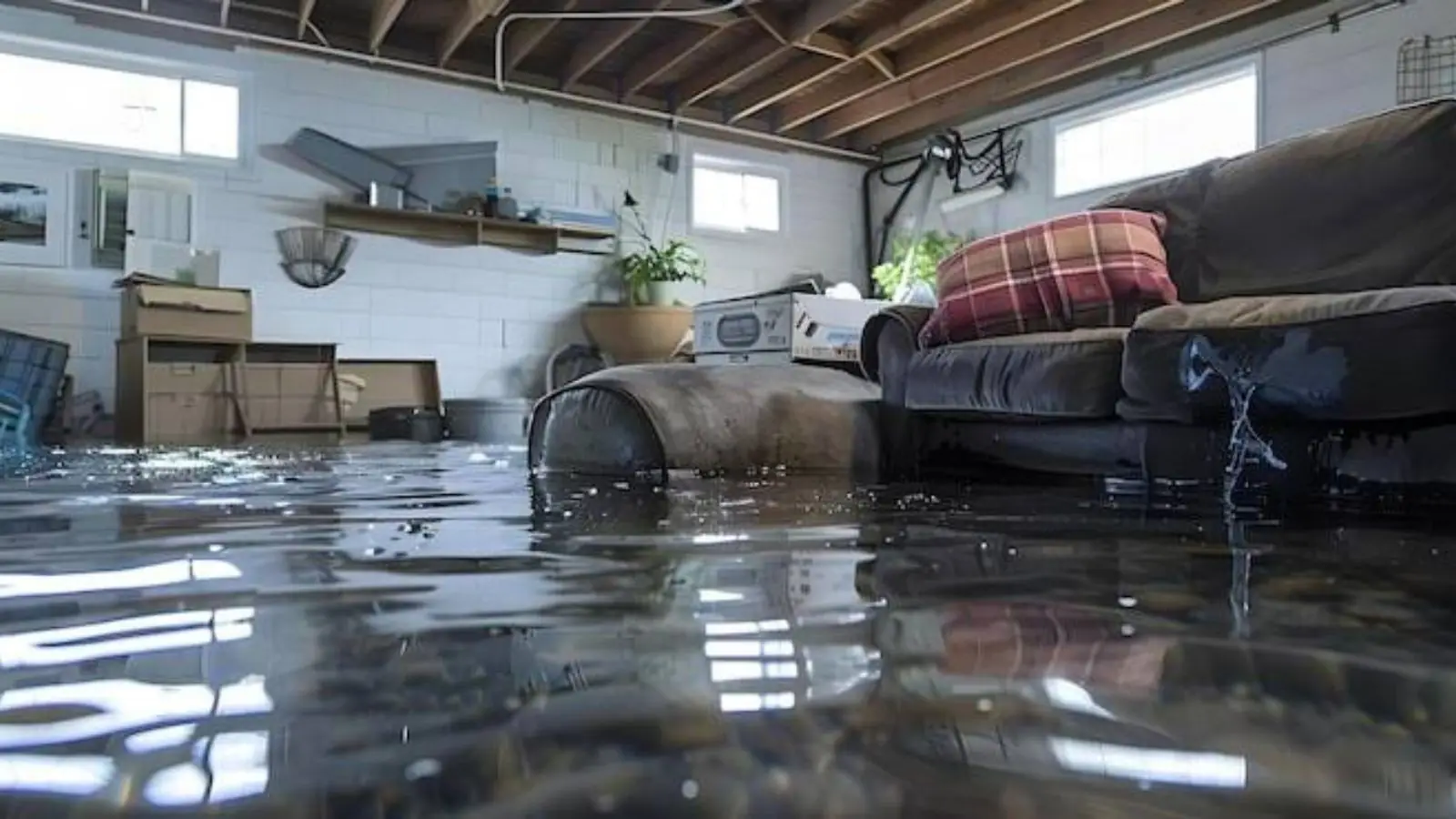
What to do first when your basement floods
Start with safety. Do not walk into standing water if the basement has power, because water and electricity can be deadly together. If water has reached outlets, the furnace or the electrical panel, stay out, and call the utility or 911 about electrical risk before anything else.
If you can reach the panel while standing on dry ground, you can shut off power to the basement. If you cannot, wait for the utility. Do not use a vacuum or any electric tool in wet areas. Once the area is safe, your next calls are your insurer and a crew that can pump out and dry the space.
Our dispatch line is open 24/7 for exactly this situation. While you wait, photograph the water line on the walls, keep people and pets out of the water and move valuables upstairs if you can do it safely.
The first hours, in order
Make the space safe
Confirm there is no electrical or gas risk. If the furnace, water heater or panel sits in the water, call the utility or 911.
Stop the source if it is inside
A burst pipe or failed supply line can be shut off at the main valve. If rain or groundwater is the cause, you cannot stop it, so focus on safety and documentation.
Photograph and record
Take wide and close images, including the water height on walls and any damaged belongings. The Division of Insurance advises recording the water height.
Call your insurer or agent
Report the loss and ask what your policy covers for this kind of water.
Call a crew for pumping and drying
Standing water is removed with pumps, then the structure is dried. Do not lower water too fast if the ground outside is saturated, because pressure differences can stress the foundation.
Separate damaged items
Move wet belongings apart from dry ones, and photograph them before disposal.
What kind of water is in your basement?
The source decides how the cleanup is handled. Crews classify water into three categories under ANSI/IICRC S500, and the category can worsen the longer water sits.
| Source | Category | What it means for cleanup |
|---|---|---|
| Broken supply line or tub overflow | Category 1 | Clean at first, often dried in place if handled quickly |
| Washing machine or sump pump discharge | Category 2 | Contaminated, porous materials usually removed |
| River, brook or groundwater flooding | Category 3 | Heavy contamination, protective gear and removal of porous materials |
| Sewage backup | Category 3 | Treated as hazardous, sanitizing and removal required |
A crew decides category on site. Assume flood and sewage water is contaminated and avoid contact.
What not to do
A few common reactions make things worse. Do not turn the heat up to dry the space without removing the water, because warm, wet air breeds mold. Do not use a household vacuum on standing water. Do not mix cleaning chemicals, and do not wade into water if you are unsure about the power.
Do not throw wet materials out before you photograph them, and do not let a stranger at the door talk you into signing a contract on the spot after a storm. Ask for a written scope and check that the company is licensed and insured.
Finally, do not assume it is over when the water is gone. Wet walls, slabs and insulation hold moisture for days, and that is what turns a flood into a mold problem. Drying belongs to flood damage restoration, and it should start right after pumping.
Pumping, drying and when pumps should stop
When groundwater is high outside, a crew may lower water in the basement in stages, because a sudden drop can stress the walls. This is one reason to rely on professionals for a deep flood rather than renting a pump and emptying the space in an afternoon.
After pumping, the crew removes carpet, pad and wet drywall as needed, then sets air movers and dehumidifiers. If water was sitting for more than a day or two, expect more removal. For standing water that needs pumps right away, our emergency water removal team handles extraction and the handoff to drying.
Cleanup once the water is gone
After pumping and drying, the cleanup phase begins. Porous materials that sat in flood water, including carpet, pad, insulation and unsealed wood, are generally removed and bagged. Hard surfaces such as concrete and sealed block are cleaned with detergent and water and then sanitized as appropriate for the water category.
Do not restart a furnace or water heater that sat in water without having a qualified technician inspect it. Electrical outlets, the panel and any low-hanging wiring need an electrician's check before power is restored to the area.
Keep the drying logs and final moisture readings. They show the structure is dry before you rebuild, and they belong in your insurance file.
How Framingham flooding is being studied
This section draws on news coverage of federal and state grants for Framingham. A federal grant of $75,000 funded the Walnut Street Flood Mitigation Study, and the city's 2017 hazard plan, as described in that coverage, names Sucker Brook and the Sudbury River as major sources of flooding. In 2021 the state awarded the city $269,030 through its Municipal Vulnerability Preparedness program for design and permitting of work to increase the capacity of Sucker Brook.
The project also includes replacing a school path with a boardwalk linking the Walnut Street and Stonybrook Road neighborhoods, and the city planned to seek more grant funding for construction. For a homeowner, the point is practical: this work is still in planning, so do not assume your street is protected.
Check your address on the FEMA Flood Map Service Center, confirm whether you carry flood insurance and keep the restoration number handy. Homes in nearby towns such as Ashland and Wayland near the Sudbury River can face similar questions.
Basement taking on water?
Call the 24/7 line. Safety questions come first, then pumping and drying.
Frequently asked questions
Not until the electrical situation is clear. If water has reached outlets, the panel or appliances, stay out and call the utility or 911. Never touch electrical equipment while standing in water.
As soon as it is safe, but in stages when groundwater is high outside. A crew can judge pace based on the situation. Rapid pumping can stress foundation walls.
It depends on the source. Standard homeowners policies do not cover flood damage, per the Massachusetts Division of Insurance. Burst pipes are often covered if sudden. Sewer backup may need an endorsement.
It can if materials stay wet for more than a day or two. That is why drying begins right after pumping and wet porous materials are removed.
Not yet. The city has received grants for study and design, and construction funding was still to be sought when the state grant was announced. Check the FEMA flood map and your insurance.
Water still spreading? Call (508) 446-9244 and a dispatcher answers around the clock.